

DOJ launches antitrust probe into five TV networks over White House press pool
The Justice Department is investigating ABC, CBS, CNN, NBC and Fox News for possible antitrust violations after they agreed not to replace CNN in the White House press pool, amid President Trump's broader battle with the media.

The Justice Department has opened an antitrust investigation into five major TV networks for coordinating a boycott of CNN in the White House press pool. The probe could reshape news‑room cooperation and highlights escalating tensions between the Trump administration and the press.
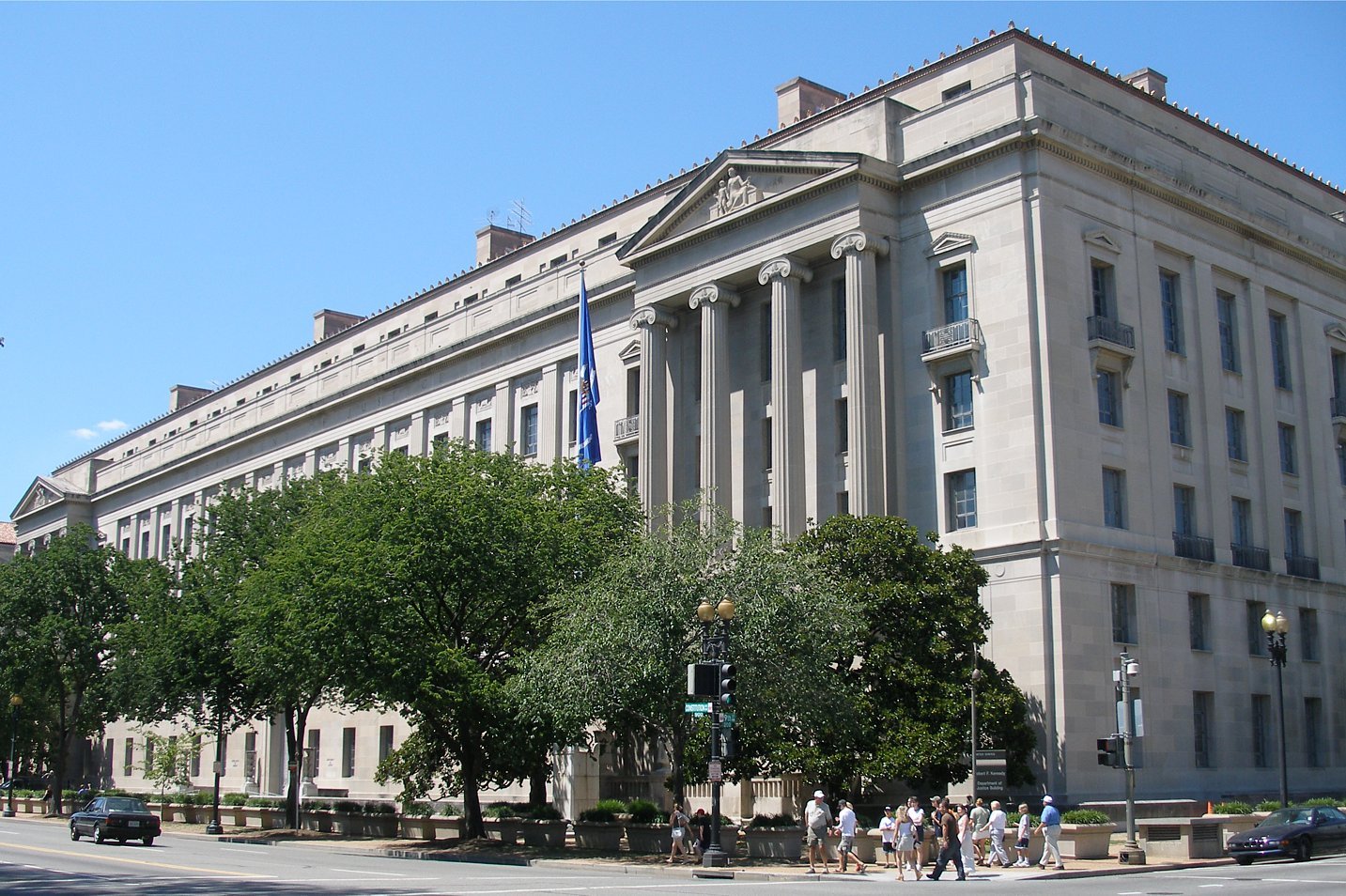
The Justice Department announced a formal antitrust investigation into ABC, CBS, CNN, NBC and Fox News after the networks agreed not to substitute for CNN when the White House blocked the network from the television press pool. The move comes amid President Trump’s broader effort to limit coverage he deems unfavorable.
What we know
According to the Department’s statement, the coordination among the networks could constitute a group boycott that violates the Sherman Act. The investigation focuses on whether the decision to collectively avoid covering White House events when CNN is barred is anti‑competitive.
Last month, Trump’s aides barred CNN, MSNOW and Politico from the White House, stripping press passes from more than 70 journalists. The three outlets sued to restore access, and a federal judge issued a temporary stay ordering their passes reinstated while a longer‑term ruling is pending.
In response to the ban, the remaining members of the press pool—ABC, CBS, NBC and Fox News—agreed not to replace CNN on the days the administration blocks the network. The networks handle these decisions day‑to‑day, but the DOJ is reviewing whether that coordination itself breaches antitrust law.
"Members of the television press pool have proudly boycotted covering White House events. Group boycotts among commercial competitors can violate the Sherman Act," the Justice Department said in a statement.
Press‑rights advocates denounced the investigation as an intimidation tactic. Bruce Brown, president of the Reporters Committee for Freedom of the Press, called the move “another and even more brazen attempt to try to intimidate journalists.”
Legal scholars note a puzzling inconsistency. Michael Dorf, a Cornell constitutional‑law professor, asked why the press pool itself is not deemed illegal if the networks’ agreement is. He wrote that the limited space at certain venues justifies cooperation, but questioned why that justification does not extend to protecting free‑press principles.
Other related legal battles include a lawsuit by ABC’s parent company Disney against Trump’s chief broadcast regulator over a review of eight local TV station licenses, and a pending decision by a judge on whether to intervene.
What they are not saying
Additionally, the Federal Communications Commission, under Chairman Brendan Carr, has launched investigations of other major broadcast networks, with the exception of the Fox broadcast network, according to NPR.
Background
The White House television press pool traditionally shares the logistical burden and costs of covering presidential events, especially those in confined spaces like Air Force One. The recent ban on CNN prevented the pool from covering an event between Trump and Chinese President Xi Jinping, underscoring the practical impact of the dispute.
Critics such as Seth Stern of the Freedom of the Press Foundation have called the investigation “nonsense,” arguing that the president’s view of the office as a business venture does not justify antitrust action against news outlets defending constitutional rights.
Sources
File photo: Unknown author / Wikimedia Commons, CC BY-SA 3.0