

Trump’s Russian diesel deal clashes with recent sanctions law
President Trump announced a deal to import Russian diesel, directly contradicting a 2022 law that bans oil imports from Russia until its war in Ukraine ends.

President Trump announced a plan to import millions of tons of Russian diesel, despite a 2022 law that prohibits such imports until Russia ends its war in Ukraine. The move undercuts sanctions he signed less than a month ago and raises questions about U.S. policy toward Russia and Ukraine.
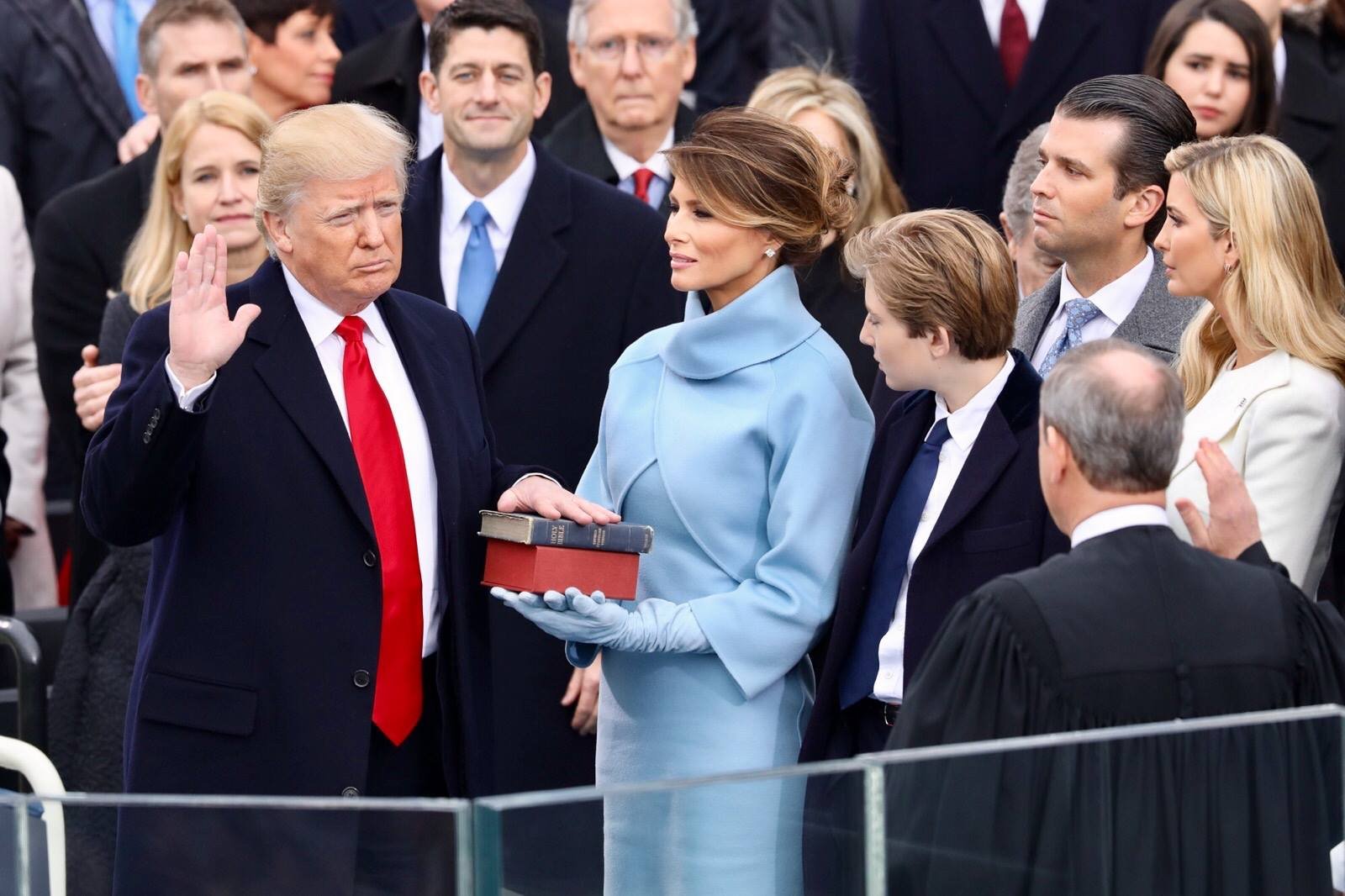
President Trump said Friday he has an agreement to import millions of tons of Russian diesel into the United States. The claim directly conflicts with a 2022 law that bars any oil or petroleum product imports from Russia until the war in Ukraine ends, and it also runs counter to sanctions he signed less than a month ago targeting Russia’s energy revenues.
What we know
According to NPR host Ayesha Rascoe, Trump’s announcement was made during a segment of "Weekend Edition Sunday" on October 11, 2026. Senior national political correspondent Mara Liasson explained that the president’s stated goal is to lower pump prices for American drivers, but analysts say the volume likely won’t shift U.S. market prices.
"The president pretty recently signed in new sanctions against Russia," Liasson said.
The 2022 law cited in the transcript explicitly prohibits importing any oil or petroleum products from Russia until the conflict in Ukraine ends. Yet, Liasson noted that Trump is now moving to remove those sanctions, effectively allowing the diesel imports.
- Trump announced the diesel import deal on a Friday.
- The deal is described as involving "millions of tons" of diesel.
- Congress passed a law a few days before the announcement granting Trump expanded tariff powers to pressure Russia economically.
- Trump signed sanctions less than a month ago that targeted Russia’s energy revenues.
Liasson also highlighted that the president has recently urged Ukraine’s President Zelenskyy to be replaced with someone more willing to negotiate with Russia, and he has asked Ukraine to stop bombing Russian oil refineries. She added that Trump has not applied comparable pressure on Russia to stop attacks on Ukrainian energy infrastructure.
"He has asked Ukraine to stop bombing Russian oil refineries," Liasson said.
U.S. intelligence, as reported by Liasson, indicates that Russia is providing real‑time tracking data to Iran, aiding Iranian strikes on U.S. targets in the Middle East. This connection underscores the broader strategic implications of easing Russian oil sanctions.
Sources
File photo: The White House / Wikimedia Commons, Public domain