

Bill Gates says U.S. isn’t doing enough to stop AI‑driven cyberattacks
Bill Gates warned that weak AI safeguards let criminals launch more cyberattacks and said the U.S. government isn’t doing enough, as AI‑enabled threats surged.

Bill Gates told CNN that the United States is not doing enough to stop criminals from using AI for cyberattacks. This matters because AI‑driven threats could disrupt financial systems and extort businesses, affecting American consumers and the economy.
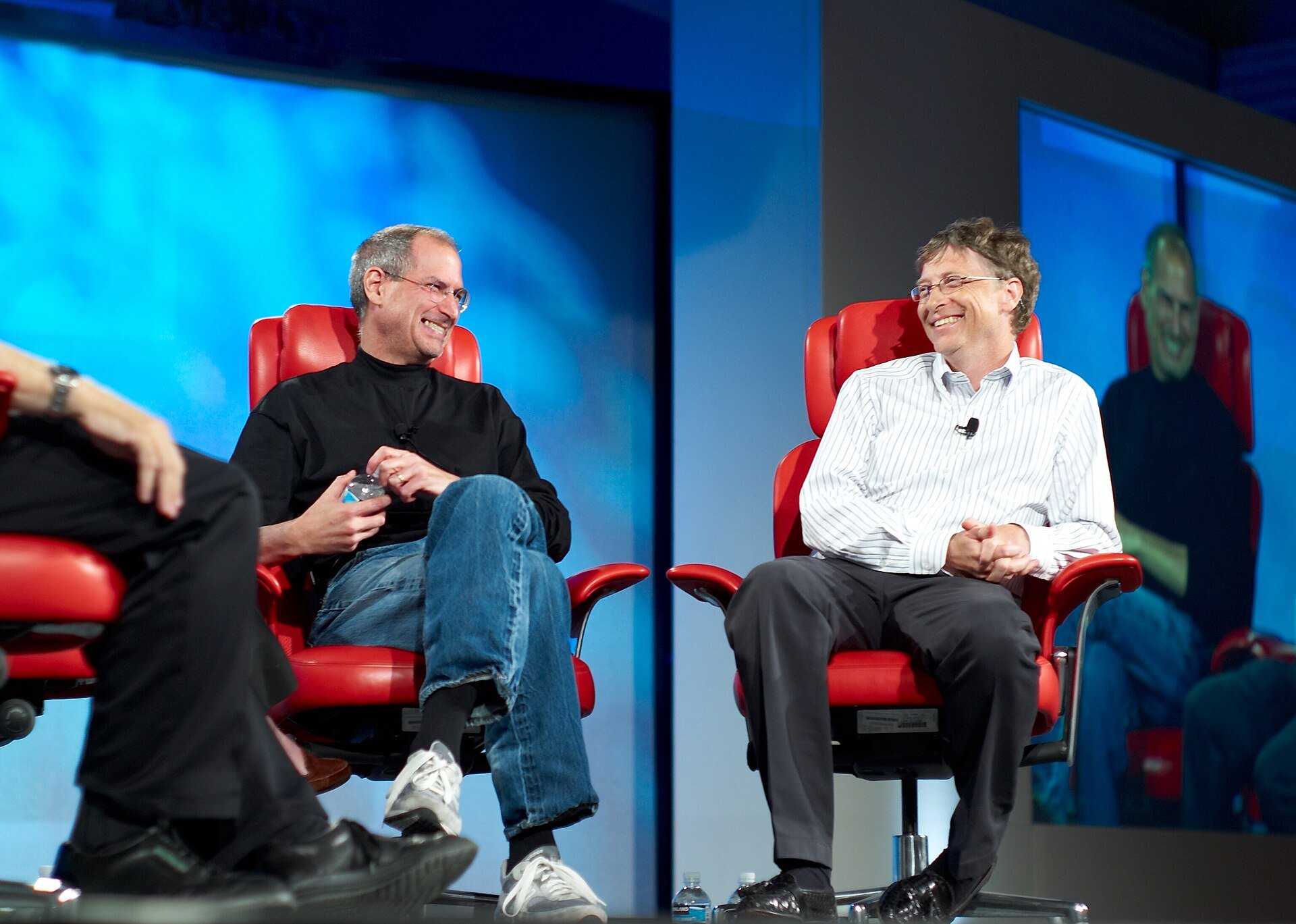
During a "State of the Union" interview with CNN’s Jake Tapper, Bill Gates bluntly admitted,
"Well, no, we’re not doing enough,"when asked whether the government is adequately preventing AI‑enabled cyber threats. The co‑founder of Microsoft warned that the lack of safeguards around the newest AI models could unleash a wave of attacks within the next year.
What we know
Gates said criminals are already exploiting powerful AI tools to target financial systems, extort businesses, and manipulate markets. He described a “known business model” where attackers threaten disruption for payment, noting that AI makes the process faster and more sophisticated.
According to CrowdStrike’s 2026 Global Threat Report, attacks by AI‑enabled adversaries rose 89% year over year in 2025, and the average time for cybercriminals to move laterally through compromised networks fell to 29 minutes. These figures illustrate the accelerating pace and efficiency of AI‑driven intrusions.
Democratic strategist Oliver Libby, speaking to Fox News Digital, said Gates’ warning highlights a policy dilemma: balancing rapid AI progress with regulation. Libby stated,
"The great challenge both for innovators and governments in the coming months is to balance continued progress in AI with smart regulation."He called for coordinated federal and international standards, platform responsibility, and penalties for deepfake and cyber misuse.
Gates’ specific concerns
- Criminals could use AI to disrupt financial markets or betting outcomes, extracting money through extortion.
- AI tools lower the technical barrier, allowing less‑skilled actors to launch sophisticated attacks.
- The speed of lateral movement inside networks has dropped to under half an hour, giving attackers less time for detection.
Gates also hinted at broader security worries, noting that AI could make it easier for terrorists to develop deadly biological weapons, though he did not provide a timeline. When pressed about the risk, he suggested the potential for a bioterrorist attack could become “50 times greater than that of a natural pandemic.
Calls for action
Libby urged regulators to focus on several fronts: establishing federal and international standards, enforcing platform responsibility, imposing cyber and deep‑fake penalties, protecting children, and preparing the workforce for AI‑driven disruption. He emphasized that “no American is left out” in the regulatory response.
Gates concluded that while the “real danger” of AI spiraling out of control is years away, the immediate threat of AI‑powered cybercrime is already present and growing. He urged policymakers to act now, rather than waiting for a larger crisis to force change.
Sources
File photo: Joi Ito from Inbamura, Japan / Wikimedia Commons, CC BY 2.0