

Why a Starbucks‑Chipotle deal would likely hurt both stocks
Fortune explains that a Starbucks purchase of Chipotle would cost about $50 billion, offer only $300 million in savings, and could derail Starbucks' turnaround.

Fortune reports that a potential Starbucks acquisition of Chipotle would cost roughly $50 billion and is seen as a distraction to Starbucks' turnaround. The deal’s size and limited synergies mean investors expect it to hurt both companies’ stock performance.
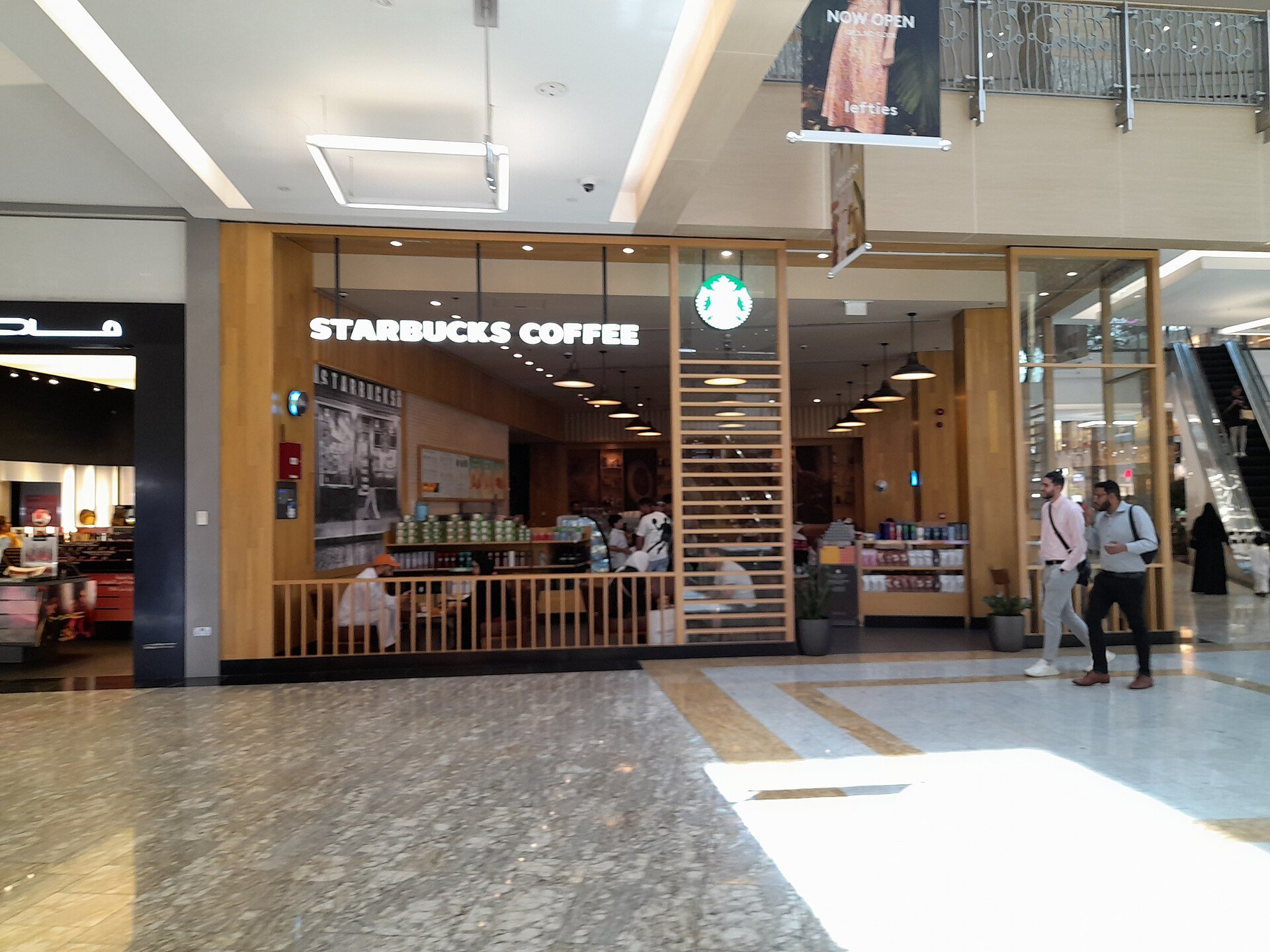
Fortune outlines why a merger between Starbucks and Chipotle Mexican Grill would likely be a costly mistake, even with former Chipotle chief Brian Niccol now running Starbucks.
What we know
The Financial Times recently reported that Starbucks was exploring a purchase of Chipotle, which would be the largest restaurant‑chain‑to‑restaurant‑chain acquisition ever in the United States. Chipotle’s market capitalization is about $40 billion, so a standard 20% acquisition premium would push the price to roughly $50 billion – about half of Starbucks’ current valuation.
Investors reacted quickly. Chipotle shares rose as much as 8% on Thursday after the report, then fell back to roughly pre‑article levels. Starbucks shares fell on fears that the transaction would distract senior management from the turnaround the company is currently executing.
“Starbucks is still executing its turnaround strategy, and acquiring Chipotle could consume significant senior management time on financing, integration, organizational design, systems, and personnel,” BTIG analyst Pete Saleh wrote.
Starbucks itself told Fortune it was “laser focused” on its turnaround.
Financial analysts see the numbers as mismatched. William Blair estimates the deal could generate about $300 million in annual corporate and technology savings – a fraction of the $50 billion price tag. Moreover, Starbucks’ capital‑spending plans for pricey café makeovers and new equipment are already under close scrutiny because they eat into profit margins.
Strategic fit is also limited. Starbucks primarily sells beverages and premade food items, while Chipotle’s model relies on freshly prepared meals. The two brands operate on different supply‑chain and operational philosophies, offering little in the way of cost synergies.
Niccol’s track record is part of the appeal. He spent six years leading Chipotle, steering it out of a food‑safety crisis, improving operations, building a leading app, and helping double annual sales to $10 billion before leaving in 2024 to become Starbucks CEO. Since his departure, Chipotle’s shares have fallen by almost half under his successor.
However, Niccol has limited experience with large‑scale mergers. His successes have come from focusing on restaurant operations and customer experience at Taco Bell, Chipotle, and now Starbucks. He recently sold majority control of Starbucks’ China business, a move aimed at reducing complexity.
Given the size of the potential deal, Starbucks would likely need to borrow tens of billions of dollars, adding interest expense that could damage profitability and divert money from coffee‑shop upgrades. Using equity would pressure the stock and create undesirable effects for shareholders.
What they are not saying
Chipotle did not respond to a request for comment, leaving the company’s official stance on the rumored acquisition unclear.
Bottom line
All signs point to a $50 billion price tag that cannot be justified by the modest $300 million in projected savings, and the deal would likely distract Starbucks from the turnaround that investors are watching closely. The market’s quick return of both stocks to pre‑rumor levels suggests the acquisition is unlikely to happen, but the episode underscores how a charismatic CEO can spark speculative spikes that quickly fade when the financial realities are examined.
Sources
File photo: Challiyan / Wikimedia Commons, CC BY-SA 4.0