

Georgia Oakley’s ‘Sense and Sensibility’ Stumbles on Dance and Austen’s Humor
Georgia Oakley’s new film of Sense and Sensibility, starring Daisy Edgar-Jones, draws praise for visuals but faces criticism for historically inaccurate dance and a loss of Austen’s comic tone.

The latest Sense and Sensibility film, directed by Georgia Oakley and led by Daisy Edgar-Jones as Elinor, has been praised for its cinematography but faulted for dance choices that ignore Regency norms and for sidelining Jane Austen’s comic vision. Readers should know these artistic shortcuts affect how faithfully the classic novel’s social commentary and humor are conveyed.
Georgia Oakley’s recent adaptation of Jane Austen’s Sense and Sensibility arrives with striking pastoral scenery, warm film stock, and a strong performance by Daisy Edgar-Jones as Elinor. Yet, two prominent critics argue that the film’s visual flair masks deeper missteps that betray the period’s social realities and Austen’s original humor.
What we know
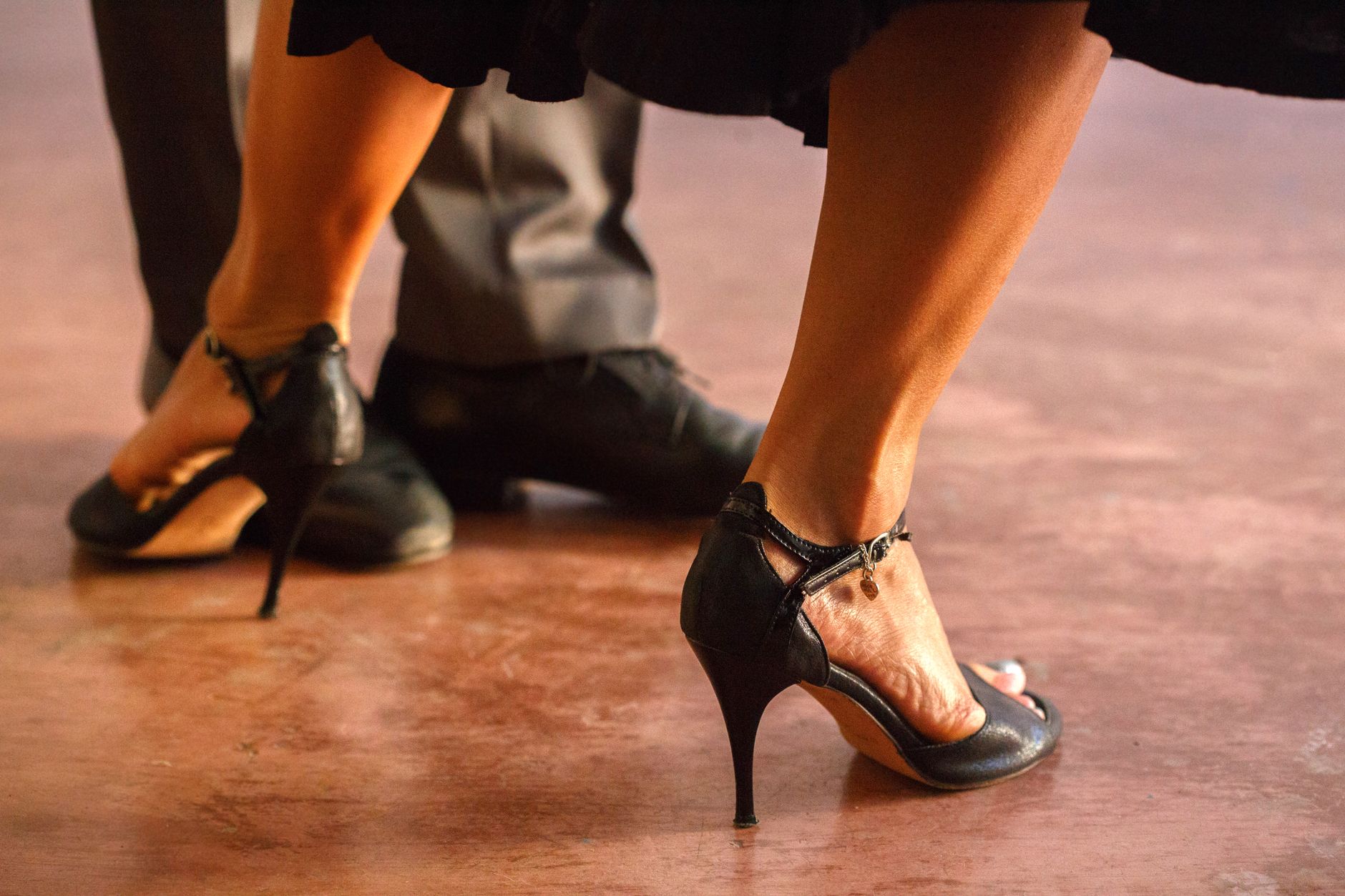
According to The Conversation, the movie’s “expansive pastoral landscapes and rocky seascapes” are “breathtaking,” and the costumes, textures, and music aim to revive the novel’s world. However, the article notes that the film’s treatment of dance—central to Georgian sociability and courtship—strays far from historical accuracy. In the Regency era, country dances and formal balls signaled politeness and marriage prospects, while “hops” were considered the pastime of the “meaner sorts.” The film inserts a hop scene that, while visually lively, blends modern choreography with period dress, creating a jarring contrast that “jerk[s] the viewer out of the candlelit ballroom of the 1790s.” Choreographer Holly Blakey defended the approach, stating, "it was vital that whatever we were doing inside the choreography … did feel like an expression of how the girls were feeling."
The same source explains that the ballroom sequence with Edward Ferrars (George MacKay) features “exaggerated sweeping arms, lifts, and over‑arched backbends” more reminiscent of musical theatre than the “serpentine lines, precise footwork and confident eye contact” expected in an authentic Georgian ball. This creative liberty, the article argues, undermines the cultural significance of dance as a marker of status and suitability for marriage.
In a review for First Things, the film is described as “a tragedy…in the literary sense of the word,” not because it is poorly made, but because it fails to capture Austen’s comic vision. The reviewer praises the soft, warm lighting and the overall pleasant viewing experience but points to several narrative and stylistic choices that dilute the novel’s satire. Notably, the “excessively loud score” drowns dialogue, and key scenes that provide comic relief—such as the confrontation between Fanny Dashwood and Lucy Steele—are cut entirely. The article also highlights that the final proposal scene is staged with an “aerial shot of Elinor lying in the grass” and a lingering close‑up of a crawling spider, a “contemporary cinematic gimmick” that distracts from the character’s emotional restraint.
Furthermore, the review observes that the film omits Marianne’s repentance and Elinor’s forgiveness of Willoughby, both pivotal moments that convey Austen’s moral balance between suffering and redemption. By removing these elements, the adaptation leans heavily into Marianne’s emotional excess without showing the “wisdom gained from the pain,” leaving the story feeling more tragic than comic.
Both critics agree that while the film succeeds in visual appeal, its departures from period-accurate dance and its neglect of Austen’s satirical tone result in a version that feels more like a modern spectacle than a faithful Regency drama.
What they are not saying
Neither source provides a comment from director Georgia Oakley or from the film’s producers regarding the artistic choices behind the modern choreography and the altered narrative focus. Their silence leaves the rationale for these deviations unexplained.
"it was vital that whatever we were doing inside the choreography … did feel like an expression of how the girls were feeling" – Holly Blakey, choreographer (The Conversation)
"the excessively loud score is, indeed, one of the film’s distinctly contemporary flaws" – First Things review
Sources
- The Conversation: What was going on with the dancing in Sense and Sensibility? A Regency expert explains
- First Things: The New Sense and Sensibility Lacks Austen’s Comic Vision
Photo: Los Muertos Crew / Pexels (illustrative)